Explore the Ends of the Earth

The Majestic Polar Expeditions

Polar World– The White Continent of Wonders

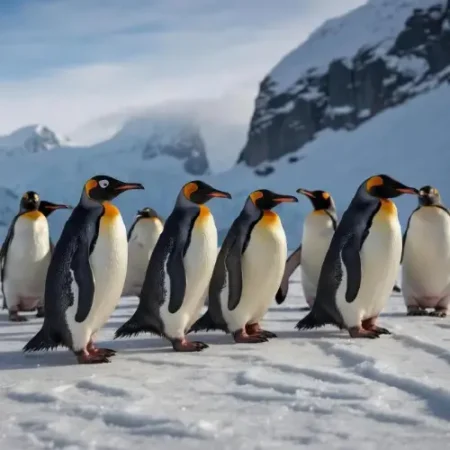
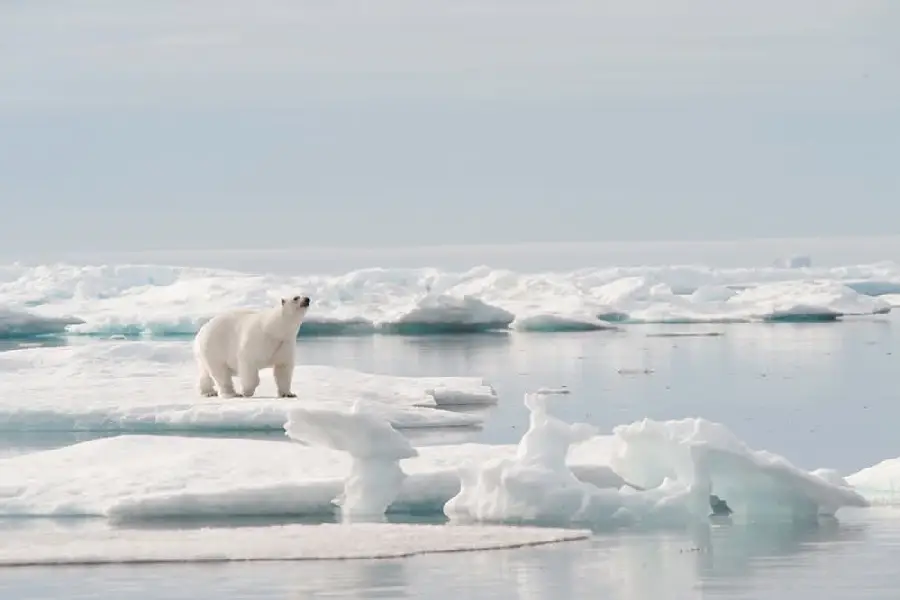
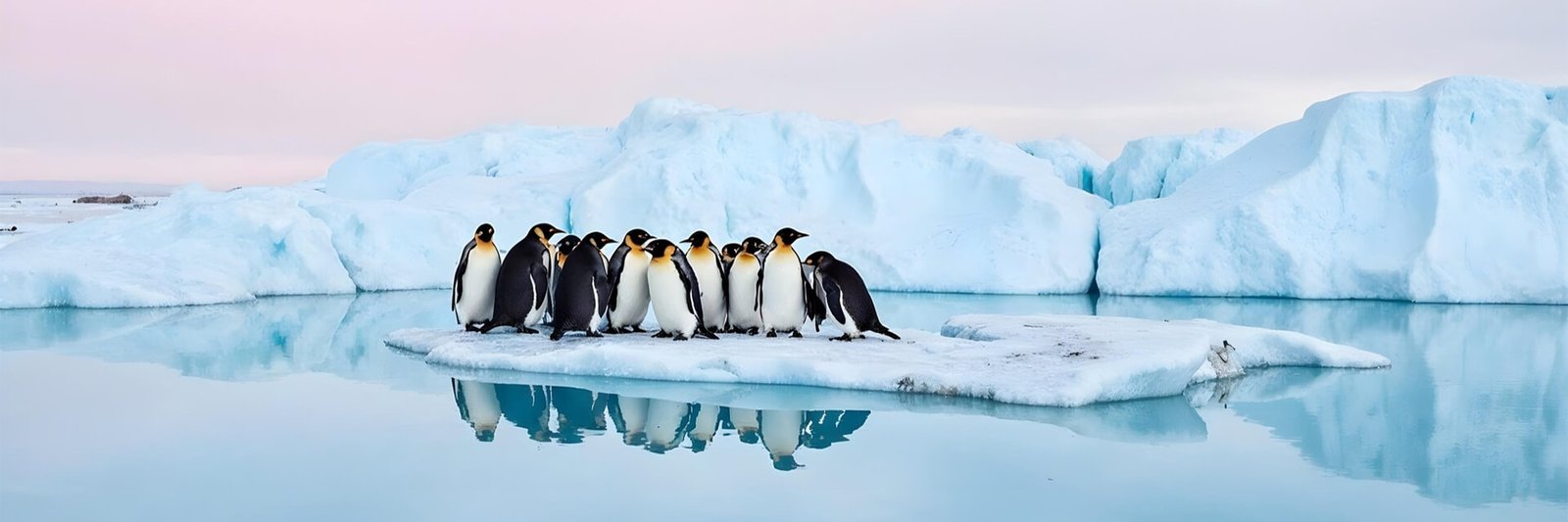
Journey to the end of the Earth with our Antarctic expedition holidays, where vast ice sheets, towering glaciers, and surreal silence create an otherworldly experience. Explore the planet’s Northernmost & Southernmost continents with customized polar tour packages. Get enhanced by the home to pristine wilderness and breathtaking beauty, untouched by time. Cruise past monumental icebergs, watch colonies of penguins and seals in their natural habitat. 

Main Attractions in Polar Region
Must-Visit Tourist Places

Explore the Diversity of Polar Region With Custom Tour Packages

The Geographic North Pole

The ultimate destination, standing at the top of the world where all longitudes meet. Plan Your Trip
images

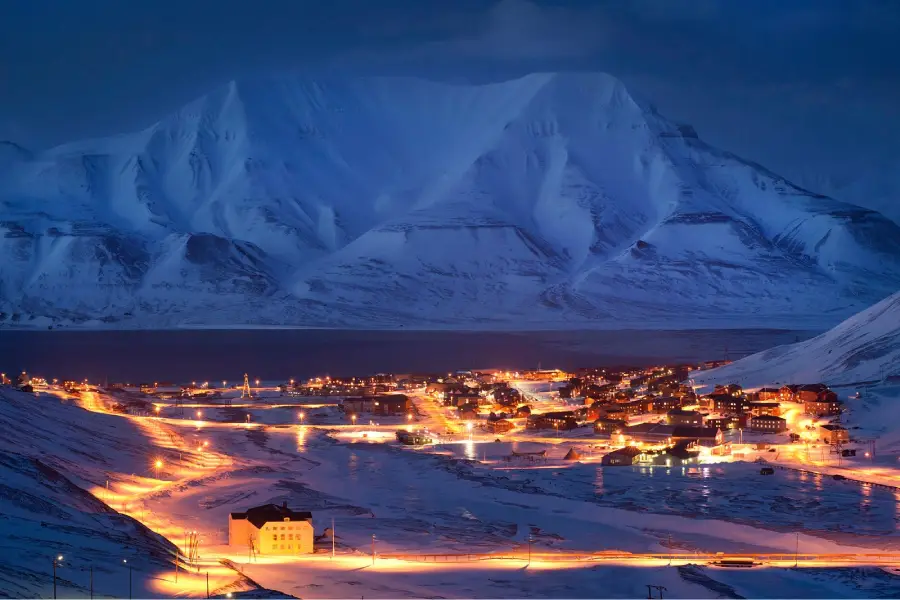
Svalbard (Norway)

Check in with a customized polar tour package and experience the  stunning Arctic archipelago known for polar bears, glaciers, and the midnight sun. Plan Your Trip
images

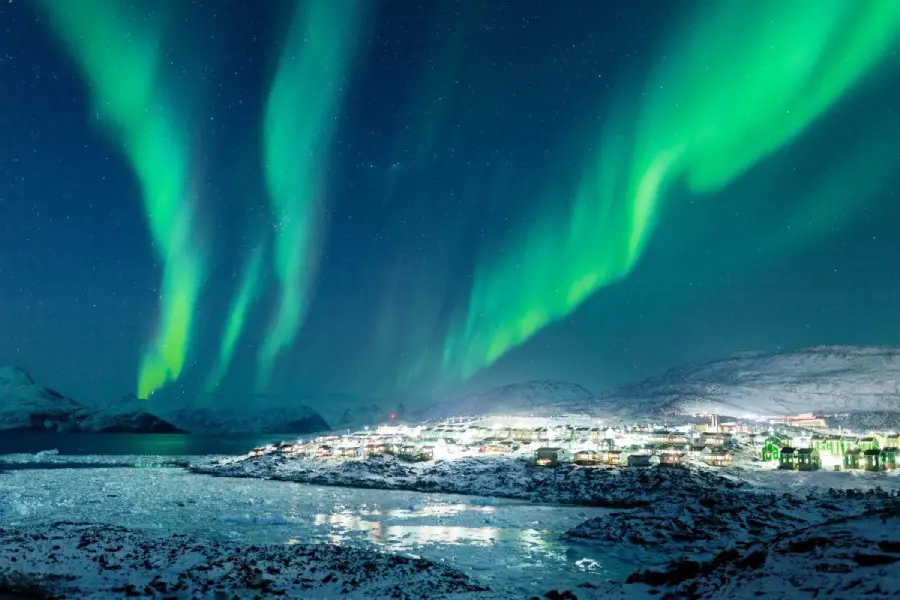
Greenland

Explore vast ice fields with a polar tour package and get to view the colorful Inuit villages, and dramatic fjords. Plan Your Trip
images

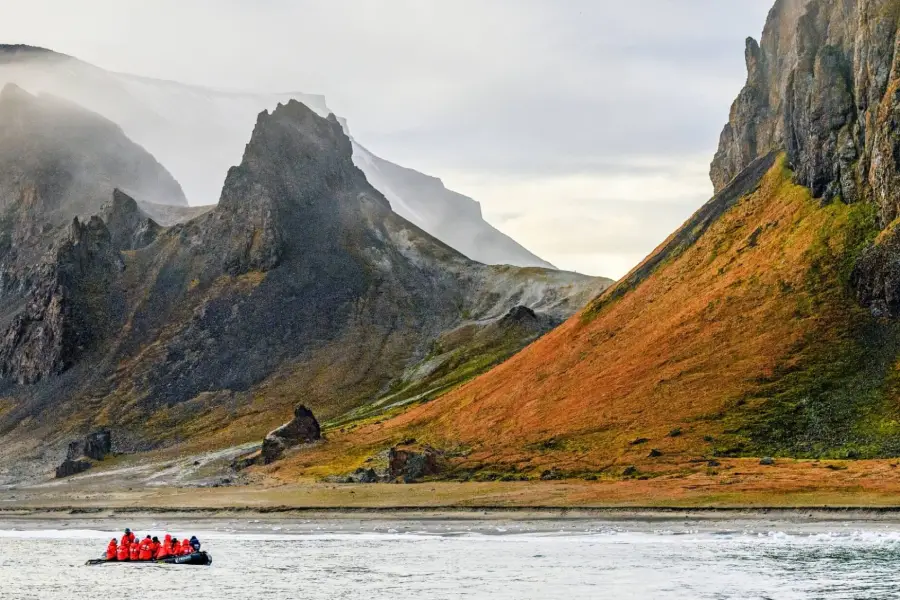
Franz Josef Land (Russia)

Remote and rugged islands filled with Arctic wildlife and historical exploration sites.

Plan Your Trip

images

Canadian High Arctic (Nunavut & Baffin Island)
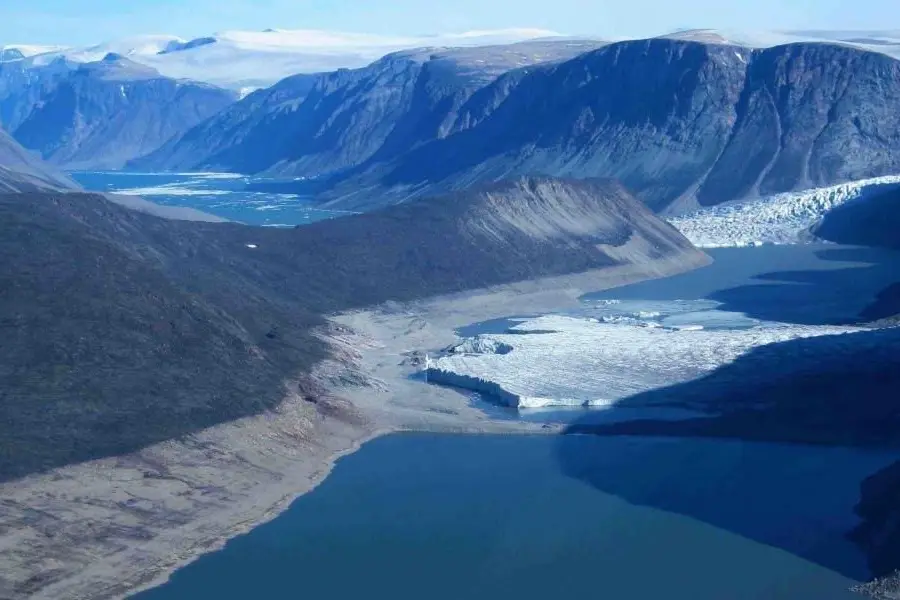
Home to breathtaking fjords, narwhals, and Inuit culture. Plan Your Trip
images

North Pole Ice Camp

A temporary base for adventurers offering skiing, helicopter rides, and scientific insight. Plan Your Trip
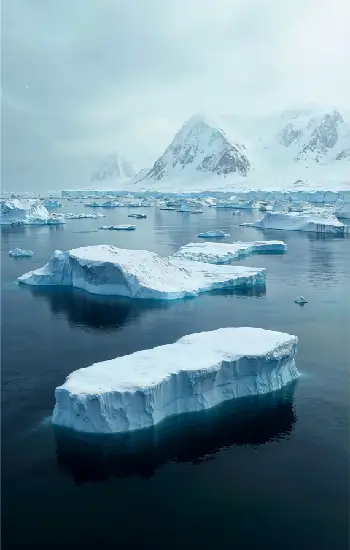
Most Visited Areas of Polar Region

Travel to South Pole - Trip For Me
The Geographic South Pole

Reach the Earth’s southernmost point, a bucket-list achievement for explorers.
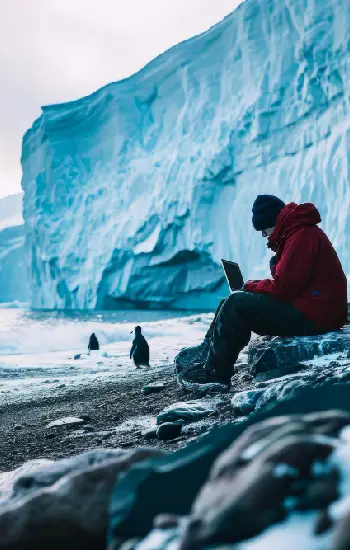
Antarctic Peninsula

Get a grab of our polar adventure trip package and check out the most accessible and scenic region, rich in wildlife and glaciers.
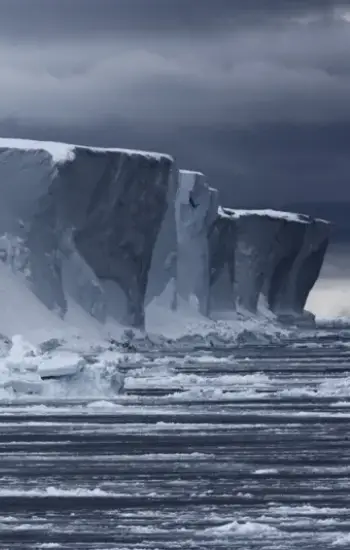
Ross Ice Shelf & Ross Sea

Vast ice formations and sites linked to early explorers like Scott and Shackleton.
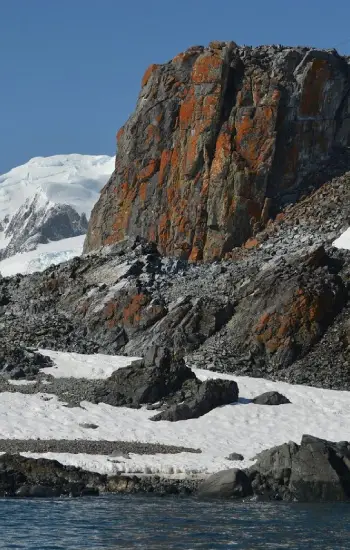
King George Island
King George Island

Gateway to Antarctica with research stations and diverse wildlife.
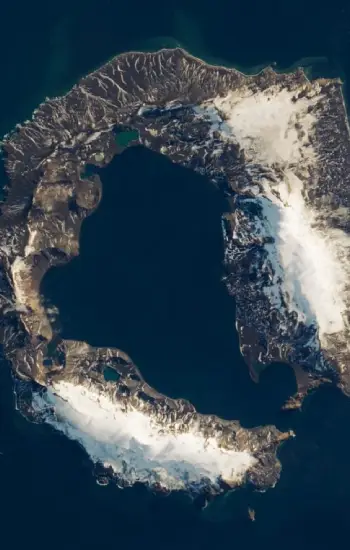
Deception Island

A volcanic island where you can walk inside a flooded caldera and even take a warm dip.
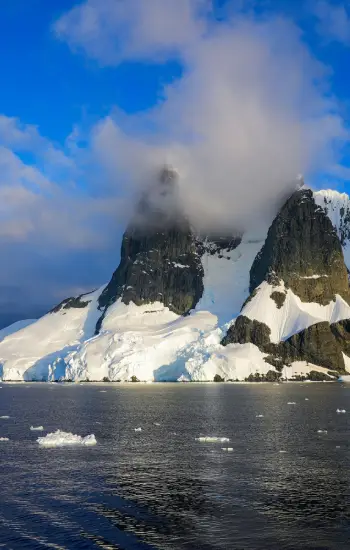
Lemaire Channel

One of the most photogenic places on Earth, with dramatic cliffs and mirrored waters.

Frequently Asked Questions

How Trip For Me Can Help You Explore the Polar Regions

At Trip For Me, we simplify your once-in-a-lifetime Polar adventure. From arranging international flights and expedition cruises to assisting with visas, insurance, and specialised gear, we take care of every detail. 

Our tailored Polar packages for Polar include guided tours, wildlife encounters, and exclusive activities, ensuring a safe, memorable, and hassle-free experience. 

With expert planning and 24/7 support, Trip For Me makes your journey from India to the extremes of the Earth seamless and unforgettable.

Do I need a special visa to travel to the Polar?

Yes, travellers do not require a traditional visa for the Polar regions themselves, as neither the Arctic nor Antarctica is governed like a country. However, you will need entry visas for the gateway countries, such as Argentina, Chile, Norway, or Canada, through which you access expedition cruises or flights to the Polar areas.

When is the best time to visit the Polar?

The best time to visit the polar regions is during their respective summers: June to September for the Arctic and November to March for Antarctica. During these periods, temperatures are milder, daylight is extended, and sea ice recedes, allowing easier access for ships and wildlife viewing. Specific months offer unique highlights, visitors can witness the Northern Lights in the Arctic autumn, while December and January in Antarctica provide warmer weather and the chance to see penguin chicks and other seasonal wildlife activity.

What should I pack for a Polar trip?

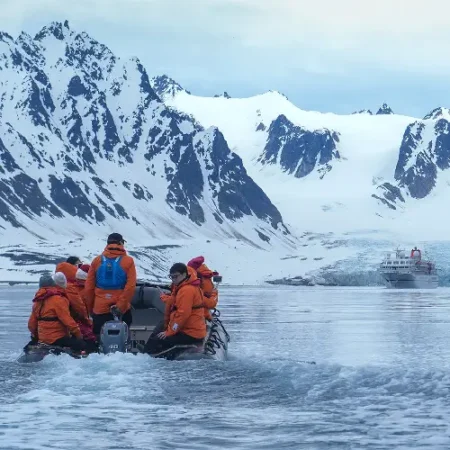
Waterproof Trousers- Lightweight waterproof nylon trousers or ski pants are essential to stay dry and protected from wind, especially on Zodiac rides.

Warm Trousers- Wear ski, tracksuit, or polar fleece pants under your waterproof layer. Avoid jeans, as they are not suitable as an insulating layer.

Thermal Innerwear- Pack medium to thick thermal leggings, long-sleeve tops, and socks. Polypropylene fibres are warmer when wet than silk or wool. Wool treated with synthetics (Sportwool) works well. Recommended: several singlets, three tops, and two bottoms minimum.

Woollen Jumper- Use as an added insulating layer over your thermals for extra warmth.

Polar Fleece Jacket- A 200–300 weight fleece jacket is ideal; alternatively, another warm jumper can be used.

Gloves & Mittens- Bring one pair of polypropylene or woollen gloves covered by waterproof gloves (ski or fleece-lined rubber gloves). It’s recommended to carry two pairs.

Headwear- A warm beanie or cap with earflaps is essential. Include a neck warmer or scarf to protect your neck and face from wind and cold.

Sunglasses/Ski Goggles- Protect your eyes from intense UV rays. Bring two pairs of sunglasses and attach cords to avoid losing them. Ski goggles are optional but useful.

Socks- Pack a combination of thick and thin socks to find the best layering for warmth.

Footwear- Warm, comfortable shoes with good grip are needed for ship decks. Indoors, slip-on shoes or moccasins are ideal. Enclosed shoes must be worn in public areas for safety.

Additional Note for Fly/Sail or Fly/Fly Voyages- If starting your journey with a charter flight from Punta Arenas to Antarctica, a waterproof and windproof jacket is essential for transfer to the ship after landing on King George Island.

What kind of adventure activities can I do in the Polar?

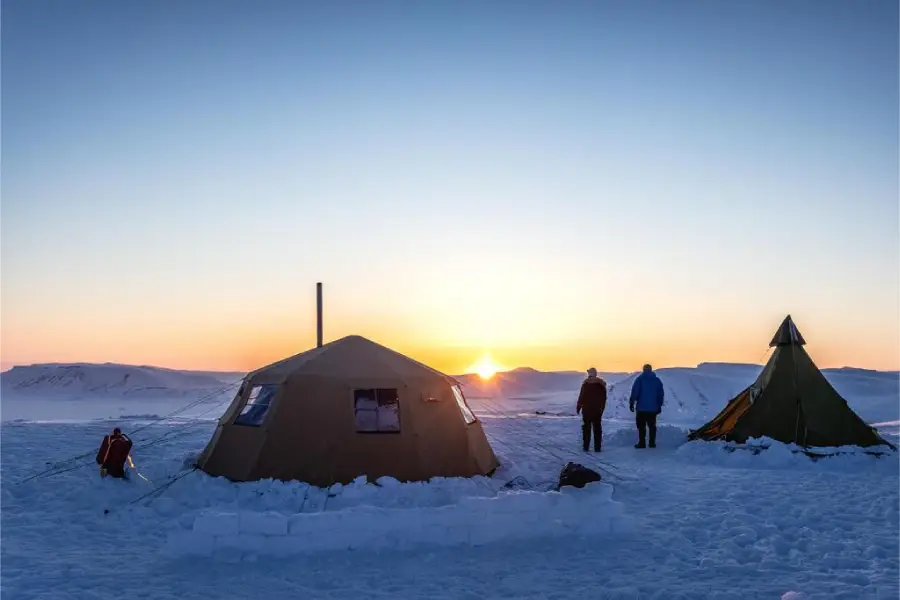
Camping- Spend a night under the stars amidst snow and ice for a truly unforgettable Polar experience. Sleeping in the frozen wilderness offers a unique connection with the Arctic or Antarctic environment.

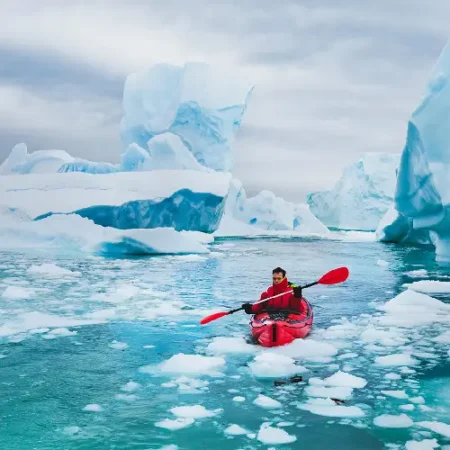
Kayaking- Paddle through icy waters and navigate around icebergs and glaciers. Kayaking allows close-up encounters with marine wildlife like seals, penguins, and whales.

Paddling- Explore calm polar rivers and coastal inlets in small boats or canoes. Paddling offers a peaceful way to experience the region’s pristine landscapes and wildlife.

Snowshoeing- Walk across snow-covered terrain with ease using snowshoes. This activity gives access to remote areas while providing excellent views of the icy surroundings.

Snorkelling- Discover underwater life beneath the icy surface in some Arctic regions. Snorkelling lets you see fish, invertebrates, and sometimes even seals in crystal-clear waters.

Scuba Diving- Dive beneath glaciers or ice shelves to explore a unique underwater ecosystem. This extreme adventure reveals colorful marine life and dramatic ice formations.

Mountaineering- Climb snow-covered peaks or glaciers with expert guides. Mountaineering in the Polar regions combines physical challenge with breathtaking panoramic views.

Stand-Up Paddleboarding (SUP)- Glide across calm polar waters on a paddleboard for a full-body workout. SUP provides a serene way to enjoy glaciers, icebergs, and wildlife from the water.

What kind of accommodation is available in the Polar?

Modern Accommodations

Hotels and Lodges: These provide modern amenities like private rooms, restaurants, and saunas. Some are themed, such as those designed around old mining rigs.

Cabins and Holiday Villages: Self-contained units often include kitchen facilities, fireplaces, and private saunas, offering comfort in remote locations.

Apartment Hotels: Similar to cabins but sometimes with additional services, these are ideal for longer stays, as seen in destinations like Levi, Finland.

Arctic Traditional and Remote Options

Igloos: Traditional snow and ice shelters, historically used by Indigenous groups like the Inuit, offering a unique and authentic Arctic experience.

Semi-Subterranean Houses: Built partially or fully underground to provide insulation from extreme temperatures, blending functionality with local tradition.

Trapper’s Stations: Replica stations with rustic accommodations, such as tepee huts, often combined with activities like husky sledding or wildlife excursions.

Antarctic Expedition-Based Options

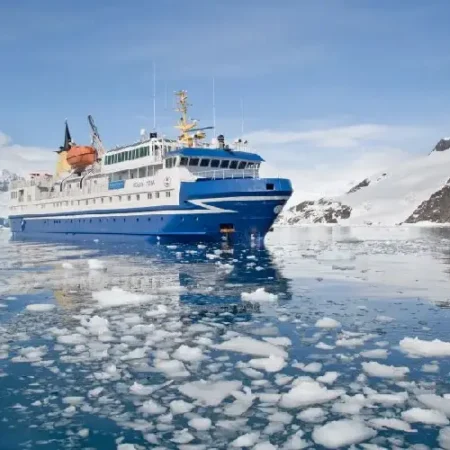
Expedition Ships: Luxury or comfortable ships that serve as a base for exploring Antarctica, providing meals, cabins, and guided excursions.

Specialist Camps: Temporary or seasonal camps designed to withstand harsh conditions, such as Whichaway Camp or Echo Camp, offering a unique, immersive experience in the Antarctic wilderness.

Call us up to Claim Your “Trip for Me”

Tailored just for you, explore, relax, and enjoy